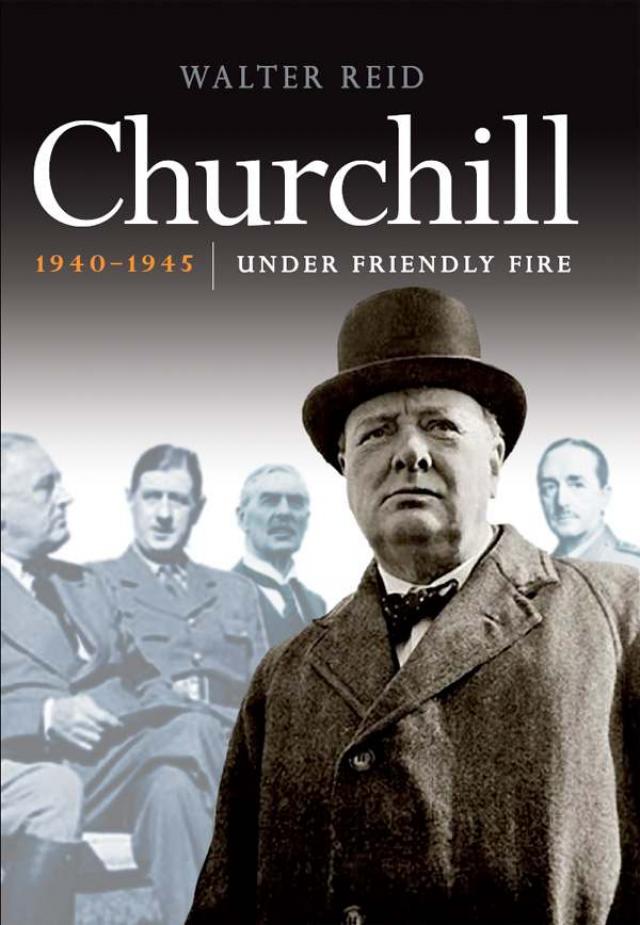
Fighting Retreat

Fighting Retreat

Walter Reid

Walter Reid

Winston Churchill was closely connected with India from 1896, when he landed in Bombay with his regiment, the Fourth Hussars, until 1947, when India finally achieved independence. No other British statesman had such a long association with the sub-continent or sought to influence its politics in such a sustained and harmful manner. Churchill consistently sought to sabotage moves towards any degree of independence, and for five years led opposition to the Government of India Act, crippling the legislation before its passage in 1935. In 1939, he congratulated himself that he had created a three-legged stool on which Britain could sit indefinitely. As Prime Minister during the Second World War, Churchill worked behind the scenes to frustrate the freedom struggle, delaying independence by a decade. To this day he is regarded as the archetypical imperialist villain, held personally responsible for the Bengal Famine. This book reveals Churchill at his worst: malign, cruel, obstructive...
Read online
  • 602
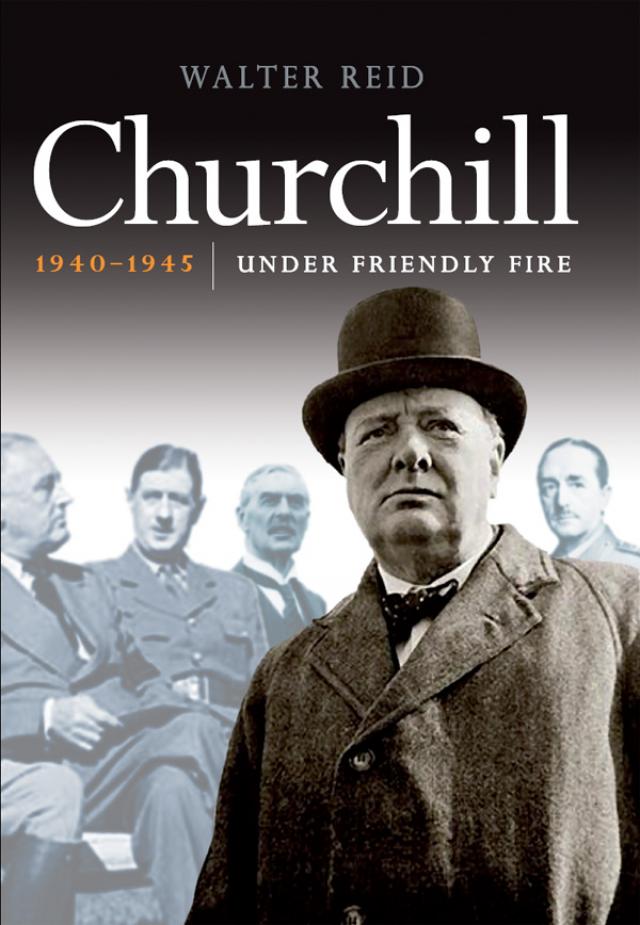
Churchill 1940-1945

Churchill 1940-1945

Walter Reid

Walter Reid

Magnificent. This is a meticulously researched history, but it is also a very moving human story' - Harry Reid, The Herald 'This is an outstanding account and to be recommended to all students of the high strategy of the Second World War without reservation' - British Army Review In April 1945 Churchill said to Sir Alan Brooke, Chief of the Imperial General Staff, 'There is only one thing worse than fighting with allies, and that is fighting without them!' When he became Prime Minister on 10 May 1940 Churchill was without allies. Dunkirk and the Battle of Britain saved Britain from immediate defeat, but it was evident that Britain alone could never win the war. Churchill looked to America. He said that until Pearl Harbor 'no lover ever studied every whim of his mistress as I did those of President Roosevelt'. But would Roosevelt have entered the war if Pearl Harbor had not taken place? Until then his actions were ambivalent, and even afterwards America's policy was largely...
Read online
  • 69

183